

Emergency Departments (EDs) frequently serve a small but high-need population with complex medical, behavioral, and social challenges—particularly individuals experiencing homelessness or unstable housing. These overlapping needs often drive repeated, avoidable ED visits. By coordinating care more effectively and equipping community organizations with the right information at the right time, New York’s health system has an opportunity to improve outcomes, promote stability, and reduce unnecessary costs.
Case management and wraparound services are proven strategies for reducing avoidable ED use—but they are only effective when providers know which clients are visiting the ED. To close this gap, Healthix, NYC REACH, and eight housing-focused community-based organizations (CBOs) launched a pilot using two health information exchange services developed by Healthix:
Together, these services empowered New York City Community-based Organizations (CBOs) to identify frequent ED users, intervene earlier, and connect individuals to housing, primary care, behavioral health, and harm reduction services.
Early results were strong. CBOs reported improved identification of high utilizers, faster outreach, increased referrals to supportive services, and measurable reductions in ED visits. This pilot demonstrates that timely, integrated patient data can transform community care—improving outcomes for vulnerable New Yorkers while easing pressure on emergency departments.
This initiative is the product of a cross-sector partnership among:
Through this collaboration, CBO care managers received access to Healthix Focus360 and Healthix Alerts, enabling them to integrate real-time clinical information into case management workflows. NYC REACH supported onboarding, training, and technical assistance to ensure teams could operationalize new data sources quickly.
The pilot aimed to strengthen care coordination, promote housing stability, and improve health outcomes for individuals facing significant social and clinical vulnerabilities.
Emergency Department overuse remains a significant concern in New York City and New York State, particularly among individuals experiencing homelessness. This population often contends with:
Despite a temporary pandemic-era decline of approximately 2% in ED utilization, recent data show a rebound surpassing pre-pandemic levels—with NYC hospitals experiencing a 6.5% increase in ED visits in Q1 2025 compared to Q1 2024.
Meanwhile, homelessness in New York has reached historic levels:
These factors contribute to persistent, high ED utilization for non-emergent issues—reflecting structural gaps in access to coordinated care, housing supports, and behavioral health services.
Empowering CBOs with real-time data is both a systems-level and equity-focused strategy to improve outreach, strengthen care transitions, and support healthier lives for those most affected.
The pilot focused on embedding two complementary Healthix tools directly into CBO workflows:
Instant notifications of client ED visits, enabling rapid outreach, post-discharge follow-up, and risk mitigation.
Population health dashboards identifying high utilizers, care gaps, and trends such as ED visit timing, common diagnoses, and patterns across subpopulations.
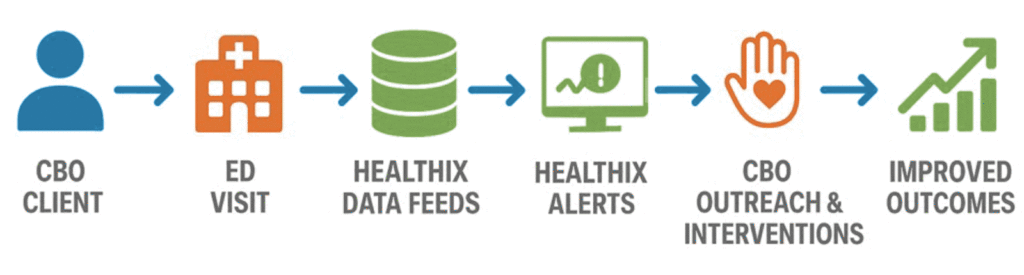
The primary goal: use actionable data to intervene earlier, reduce ED dependence, and connect individuals to the right mix of services.
CBOs quickly pinpointed frequent ED users and recognized emerging trends, including weekend spikes in behavioral health- and substance use–related visits.
Healthix Alerts enabled immediate follow-up after ED visits. A Comunilife, Inc. staff member shared:
“We’ve only started receiving alerts in the past five days but finding out that 11 hospitalizations in the past week were due to substance use or psychosis verified my hypothesis that most incidents happen over the weekend.”
These insights led to proactive strategies such as staff Narcan training, expanded weekend check-ins, and targeted harm reduction outreach.
Over one-third of participating CBOs reported higher enrollment in:
Several CBOs saw 25%+ increases in primary care and mental health referrals, supported by more accurate and timely client information.
Three CBOs documented 10–50% reductions in ED visits during the pilot period. Others reported qualitative improvements, such as earlier engagement and more effective care coordination.
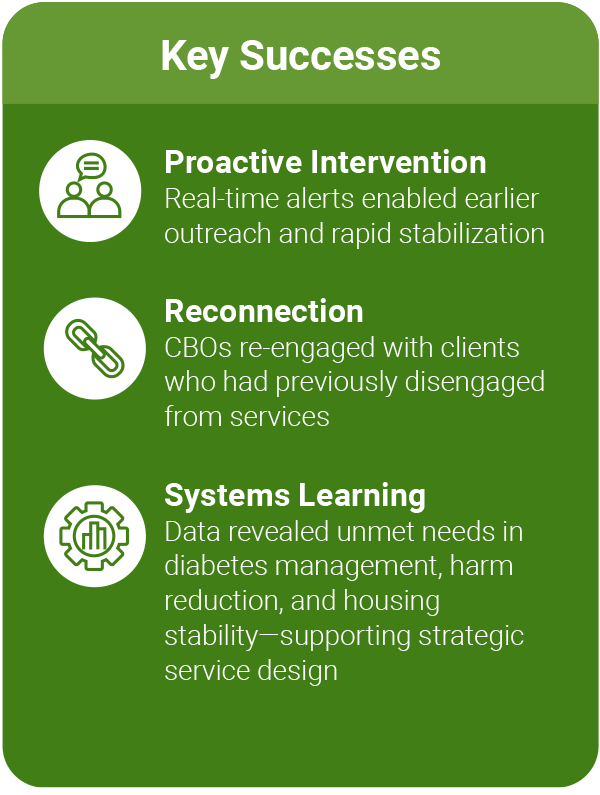
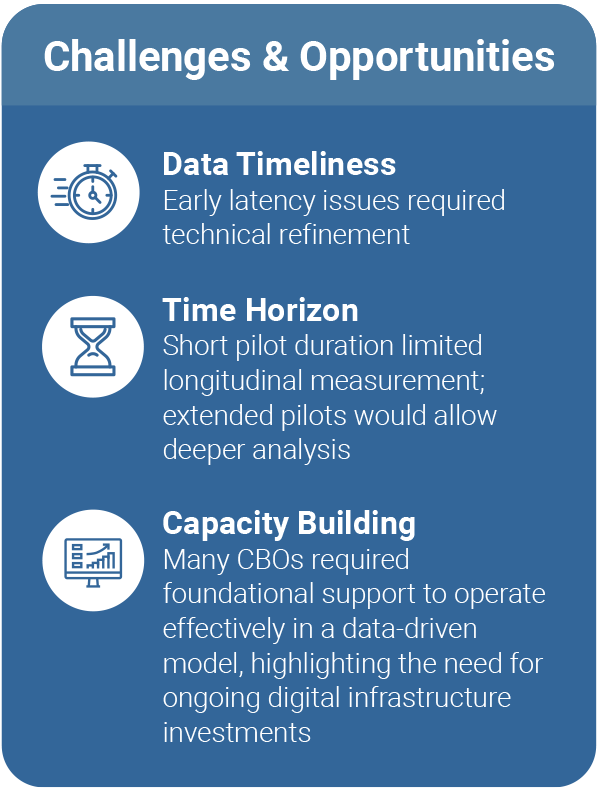
This pilot demonstrates the transformative potential of real-time data for improving care and reducing ED overuse among individuals experiencing homelessness or housing instability. By equipping CBOs with actionable information, the initiative achieved:
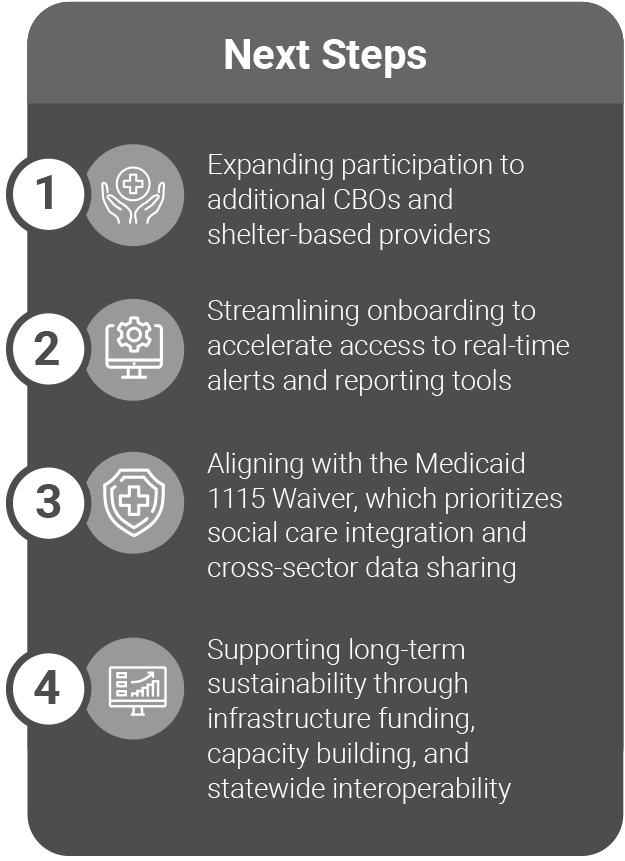
By scaling these insights, New York can strengthen its safety net, improve outcomes for vulnerable residents, and reduce strain on emergency systems—advancing a more efficient, equitable, and data-driven model of community care.
Christina Rocchini, MPH, is a strategy and product leader in population health and value-based care. She worked with Healthix through a grant, advancing data-driven solutions to improve care for vulnerable populations. With experience across health tech startups and large health systems, she helps turn complex data into actionable impact.
This document is also available in PDF format: